


Orthodontics
See all treatments
Orthodontics
Hamille Tokyo Dental Office
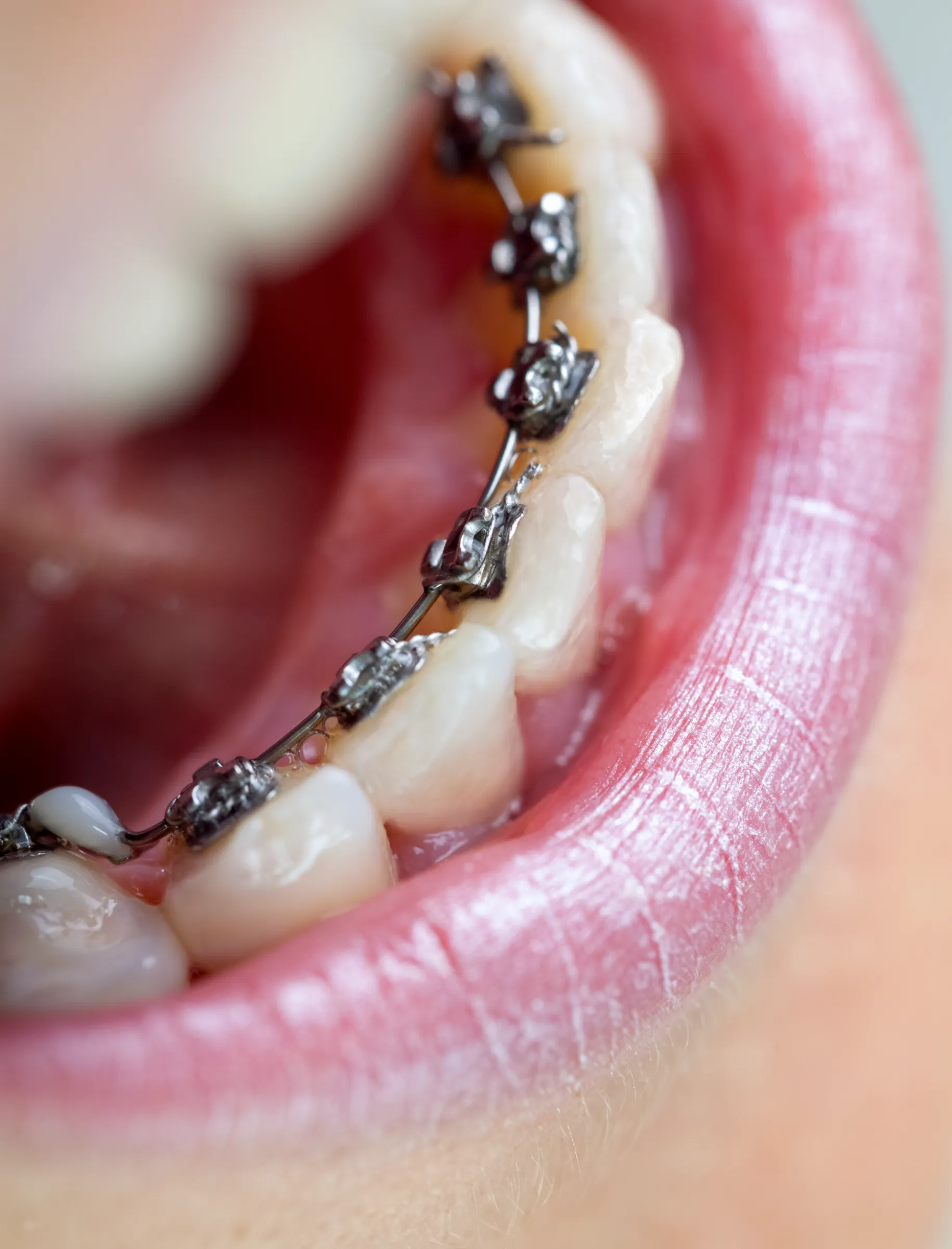
Braces are fitted on the inside of the teeth to straighten them. Because the brackets sit on the inside, they aren’t visible from the front.
What is lingual braces treatment?
“Discreet” lingual braces
Braces are fitted on the inside of the teeth to straighten them. Because the brackets sit on the inside, they aren’t visible from the front.
Problems caused by crooked teeth
Risk of tooth decay and periodontal disease
Overlapping teeth are hard for a toothbrush to reach, leaving blind spots. Floss struggles to get between them too, so plaque builds up in the gaps — left as it is, this raises the risk of tooth decay and periodontal disease.
Effects on your bite
Crooked teeth can stop your bite from meeting correctly, concentrating the load on particular teeth. When chewing force isn’t spread evenly, some teeth can wear down or chip early, and the strain on the jaw joint can lead to temporomandibular joint disorder.
Effects on speech
Depending on how the teeth are aligned, certain sounds can come out unclear — fricatives and plosives are especially prone to this — and some patients become reluctant to speak in front of others as a result.
The strain on digestion
Swallowing food without chewing it properly puts extra strain on the stomach and intestines. Chewing is the first step of digestion, so a poor bite affects more than the mouth — it affects your overall health.
Costs
Free consultation
Examination fee
¥44,000
Adjustment fee
¥5,500
Metal braces
¥770,000
Tooth-coloured braces
¥825,000
Features
Labial braces
・Metal braces
Metal brackets are fitted to the surface of the upper and lower teeth, and this method can treat a wide range of bite problems. Depending on the case, treatment can sometimes be completed in a shorter time.
・Tooth-coloured braces
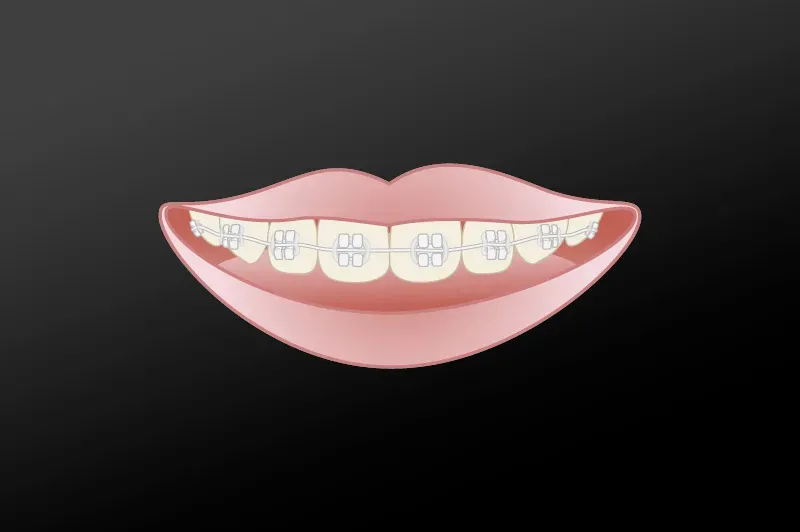
Brackets are fitted to the surface of the teeth.
Because the brackets are a less noticeable colour, they are more discreet. They apply the same force as metal braces.
Lingual braces
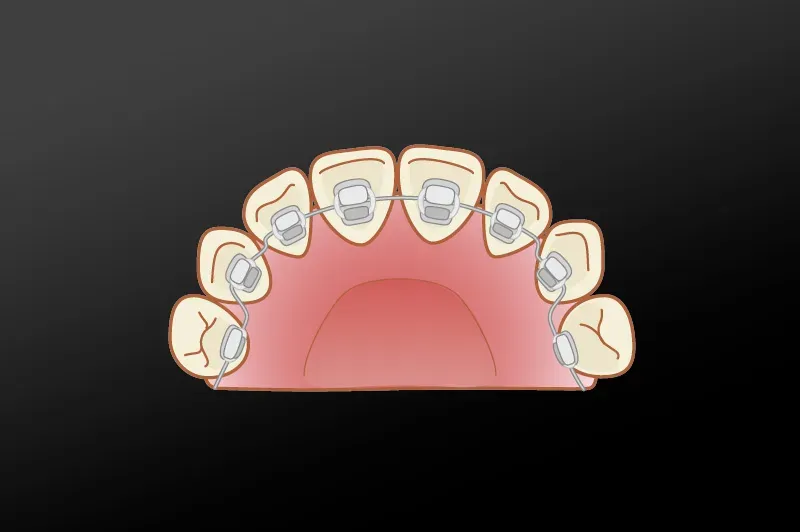
Brackets are fitted to the inside of the upper and lower teeth.
Not only are they discreet, but people are unlikely to notice you’re having treatment at all. Treatment takes a little longer than with labial braces.
Some patients also find eating and speaking a little less comfortable.
Invisalign
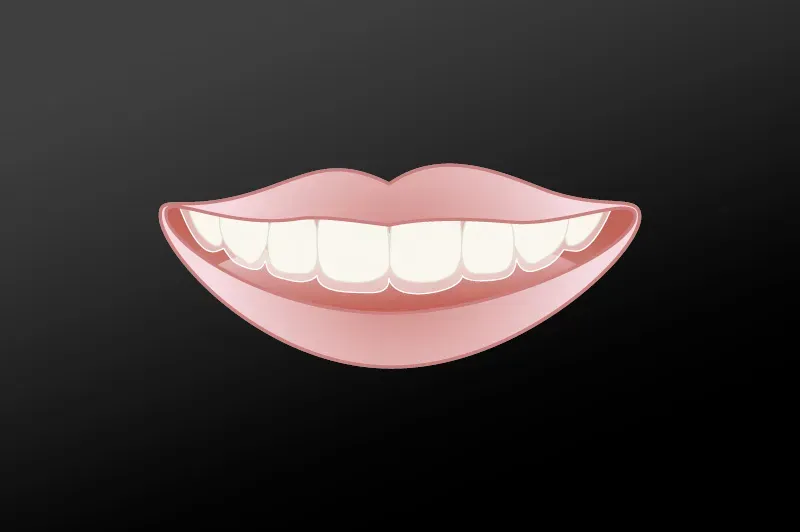
Invisalign treats your teeth with clear plastic aligners, so it’s discreet.
You wear each aligner for at least 20 hours a day and change to a new one yourself every 7 to 14 days, gradually moving the teeth into place.
Discreet treatment at a reassuring price
Orthodontic treatment isn’t covered by public health insurance, so it’s paid for privately. Some patients find the cost hard to manage as a result.
That’s why we want to help as many patients as possible who have given up on treatment because of the cost, by offering orthodontic treatment below the typical market price. Consultations are free, so please feel free to get in touch at any time.
The treatment process
Consultation
If you have questions or concerns about the position of your teeth, please ask us at any time — we’ll answer from a professional standpoint. Consultations here are free, so feel free to book by phone or online.
Detailed examination
We take intraoral photographs and X-rays and make a dental impression for diagnosis, then plan your treatment based on the results.
Explaining your results and treatment approach
We’ll explain our recommended approach based on the examination results. Once you fully understand and agree to the treatment plan, timeline and cost, we finalise the plan that suits you best.
Starting treatment
Braces are fitted according to the treatment plan.
Care after treatment
Wearing a retainer
After orthodontic treatment finishes, you’ll need to wear a retainer to keep your teeth in their new position. Teeth that have just been moved tend to drift back, so you’ll usually need to wear it for longer hours in the first few months before moving to wearing it only at night. Neglect the retainer, and teeth you’ve straightened can relapse.
Regular check-ups
During the retention period, please keep coming in for regular check-ups so we can confirm the position of your teeth and check for any signs of relapse. We’ll also check for tooth decay and periodontal disease, and carry out maintenance to keep your teeth in place for the long term.
Click here to find out more about preventive dentistryBrushing correctly
Plaque tends to build up around braces, so brushing carefully and using floss helps prevent tooth decay and periodontal disease. We’ll show you a brushing method suited to your type of brace and the condition of your mouth.
FAQ
Q1. Can adults have orthodontic treatment?
There’s no upper age limit for orthodontic treatment, and many people start it as adults. As long as your teeth and gums are healthy, you can have orthodontic treatment at any age.
Q2. Will I need teeth extracted?
Not every case needs extractions. Even when there isn’t enough space for the teeth, IPR (interproximal reduction) — lightly filing the enamel between teeth to create extra space — can sometimes solve the problem. Whether you need extractions depends on the state of your teeth, and we’ll advise you based on the results of your detailed examination.
Q3. Are there dietary restrictions during treatment?
With clear aligners, you can take them out to eat, so there aren’t many dietary restrictions. Different types of brace come with different things to watch out for with food, and we’ll explain these in detail when your treatment begins.
Q4. Can I use health insurance?
Ordinary orthodontic treatment isn’t covered by health insurance and is paid for privately. However, insurance can sometimes be used if you meet certain conditions, such as a jaw deformity. We’ll let you know whether you qualify based on your examination results.
Booking and enquiries
