


Children’s orthodontics
See all treatments
Children’s orthodontics
Hamille Tokyo Dental Office
We check the alignment and bite of your child’s teeth during their growth, and consider whether treatment is needed and when to start based on their stage of growth.
About children’s orthodontics
We check the alignment and bite of your child’s teeth during their growth, and consider whether treatment is needed and when to start based on their stage of growth.
Children’s orthodontic treatment is carried out while monitoring jaw growth and the transition from baby teeth to permanent teeth. Starting earlier is not always better — depending on the symptoms, watching and waiting can sometimes be the better choice. Further orthodontic treatment may also be needed once all the permanent teeth have come in.
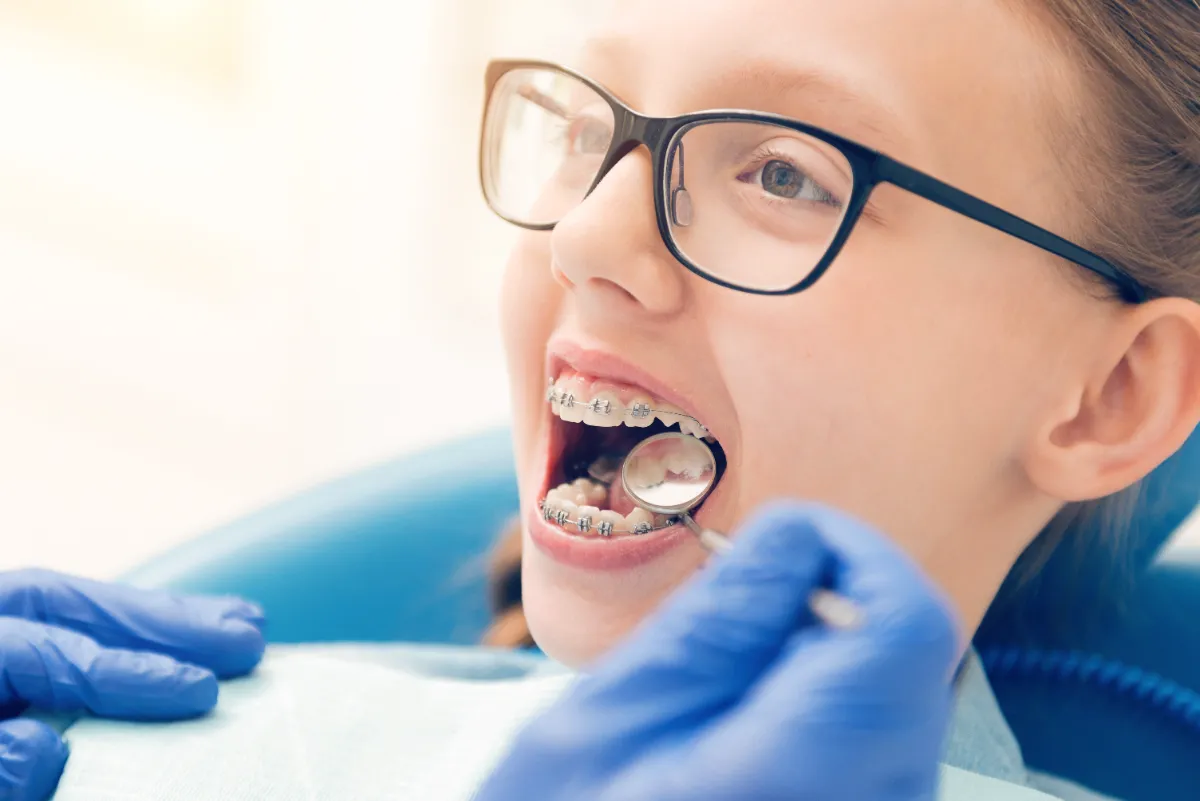
Benefits of children’s orthodontics
Making use of jaw growth
A growing child’s jaw is still developing. Treatment at this stage can make use of that growth to create the space teeth need to come in straight.
Lowering the chance of extraction
Starting orthodontic treatment after all the permanent teeth have come in often means there is not enough space, which can lead to extraction. Creating space in the jaw early makes it more likely that extraction can be avoided.
Helping shorten treatment time
Laying the groundwork during the growth period can sometimes mean no further treatment is needed once the permanent teeth are in, or that treatment time is shorter.
Signs that call for an early consultation
The bite between upper and lower teeth
For example, an underbite, protruding front teeth, or front teeth that do not meet.
Space for the teeth
For example, not enough space for permanent teeth to come through, or teeth that overlap significantly.
Oral habits
For example, mouth breathing, tongue thrusting or thumb sucking, which can affect how the teeth align.
About phase 1 and phase 2 treatment
Children’s orthodontic treatment is considered in two stages according to your child’s stage of growth: phase 1 and phase 2 treatment.
Phase 1 treatment (around 6 to 12 years old)
This takes place while baby teeth are being replaced by permanent teeth. The aim is to make use of jaw growth to create the space the teeth need and to adjust the bite.
Phase 2 treatment (from around age 12)
This is treatment carried out once all the permanent teeth have come in. A good foundation from phase 1 treatment can sometimes make phase 2 unnecessary, and even where it is needed, it can reduce the burden of treatment.
Treatment process
Initial consultation
We talk with you and your child about your concerns and daily habits.
Growth and alignment examination
We check how the teeth are coming through, jaw development and the bite.
Explanation of timing and method
We explain the treatment plan, including whether to start treatment now or watch and wait.
Treatment with an appliance
We use an appliance suited to your child’s condition and regularly check growth and tooth movement.
Observation and retention
We continue to check tooth replacement and growth, and consider the next stage of treatment if needed.
A note for children and families
Wearing the appliance for the required time, attending follow-up visits and daily cleaning all need support from the family. We explain beforehand the sense of a foreign object the appliance can cause, the risk of tooth decay, the effect on the tooth roots and gums, and the possibility of relapse after treatment, and we work with you to set a plan that is not a strain.
FAQ
Q1. From what age can we start a consultation?
As a general guide, around age 6, when baby teeth start being replaced by permanent teeth. Since every child grows at their own pace, we recommend an initial consultation as soon as something concerns you — we will check your child’s condition and let you know the right time to start.
Q2. Does treatment hurt?
For a few days after first wearing the appliance or after an adjustment, your child may feel a pressing, foreign-object sensation. This usually settles as they get used to it, but please contact us if strong pain continues.
Q3. How long does the appliance need to be worn?
The required wearing time depends on the type of appliance. Please keep to the specified wearing time except when eating or brushing — this matters for keeping treatment on schedule.
Q4. Does it affect sports or extracurricular activities?
The effect depends on the type of appliance. If you have concerns about sports or playing a musical instrument, please ask us about the type of appliance and how to use it at your visit.
Q5. Is it too late to start once all the permanent teeth are in?
Orthodontic treatment is still possible once all the permanent teeth have come in. However, starting during the growth period has benefits such as making use of jaw growth and lowering the chance of extraction, so if you have any concerns, we recommend an early consultation.
Start here for bookings and consultations
