


Pediatric dentistry
See all treatments
Pediatric dentistry
Hamille Tokyo Dental Office
Pediatric dentistry treats children according to their needs and stage of development, protecting the health of their teeth and mouth. Baby teeth will eventually be replaced, but before that happens, it matters that children get used to seeing a dentist, and that fluoride application and other preventive care keep decay from taking hold.
Many adults who still fear or avoid the dentist trace it back to childhood dental experiences — being forced through treatment, a stern manner and so on. Children feel pain and anxiety more readily than adults, so what matters most to us is a friendly atmosphere and open communication, so that children build up experiences of “the dentist isn’t scary at all” and “it didn’t hurt, I did it” — and gradually come to like coming here.
About pediatric dentistry
Pediatric dentistry treats children according to their needs and stage of development, protecting the health of their teeth and mouth. Baby teeth will eventually be replaced, but before that happens, it matters that children get used to seeing a dentist, and that fluoride application and other preventive care keep decay from taking hold. Many adults who still fear or avoid the dentist trace it back to childhood dental experiences — being forced through treatment, a stern manner and so on. Children feel pain and anxiety more readily than adults, so what matters most to us is a friendly atmosphere and open communication, so that children build up experiences of “the dentist isn’t scary at all” and “it didn’t hurt, I did it” — and gradually come to like coming here.
Oral care points to watch from infancy
Most children go through a phase before around age two and a half where they resist brushing. Please don’t force a resistant child to brush. To stop them from coming to hate it, let them choose their own toothbrush with a favourite character on it, or have them copy along with a brushing video, while patiently explaining why brushing matters and praising them when they manage it — this builds the habit step by step. If a child simply won’t listen, let them calm down and try again once their mood improves, or try to limit high-sugar food and drink in the meantime.
Before the first tooth appears (up to around 6 months)
This is the stage before brushing begins. Gently wipe the gums with gauze or a cotton swab so your child gets used to having the inside of the mouth touched.
Around when the lower teeth appear (about 6 months)
Once the lower front teeth come in, it’s time to start brushing. With only one or two teeth, there’s no need to get them spotless right away — build up the habit gradually so your child doesn’t come to resist it.
Around weaning and the first molars (about 1 year)
Food debris collects easily between teeth and in the grooves of the molars, so this is the stage to get your child used to thorough brushing.
Follow-up brushing (up to about age 10)
Even once children can brush by themselves, they still tend to miss spots at this stage. Start with quick, gentle follow-up brushing, then move to brushing tooth by tooth carefully as they get used to it. Once they start primary school and brush on their own, baby teeth and adult teeth growing in together make brushing harder and spots easier to miss — please keep up follow-up brushing so those precious adult teeth don’t start decaying from this stage.
About preventing tooth decay
Preventing tooth decay in children takes this kind of effort from parents.
Building a brushing habit
Some children only start brushing properly after a plaque-disclosing test at school shows them what they missed — which shows how much it helps for children to realise for themselves why brushing matters. Paying close attention to decay-prone spots such as the molars and between the teeth is just as important.
Cutting back on sugar and snacks
Letting a child eat sweets without limit leads to tooth decay quickly. Precisely because children love sweet things, it matters to steer them away from chocolate, juice and other decay-prone treats and towards lower-sugar snacks and drinks instead.
Avoiding infection with decay-causing bacteria
A baby’s mouth starts out free of decay-causing bacteria, so where does it come from? It’s passed on by the adults around them. Research shows that when this transmission happens has a strong bearing on how prone a child will be to decay later on. That’s why the adults around a child should keep their own mouths healthy and avoid mouth-to-mouth feeding, sharing utensils and other ways the bacteria can spread.
Understanding how fragile baby teeth are
Do you assume tooth decay progresses in children the same way it does in adults? Baby teeth have thin, soft enamel that the acid from decay-causing bacteria attacks easily, so decay moves faster. Brushing matters, but so does protecting such fragile teeth with fluoride treatment and fissure sealants that keep food from building up in the grooves — and so does getting your child used to regular dental visits.
About orthodontic treatment
Children’s teeth generally fall into two groups: those that will straighten out naturally as the jaw develops, needing no orthodontic treatment, and those that won’t settle into the right position on their own and are better treated with orthodontics. For the second group, guiding the jaw to develop in the right direction lays the groundwork for the adult teeth that come in later to line up well. Because orthodontic treatment works more easily while the jaw is still developing than once it’s fully grown, as in an adult, please talk to a specialist early if you’re unsure which group your child falls into!
Want to know more?
Go to the orthodontics specialist websiteAbout treating tooth decay in children
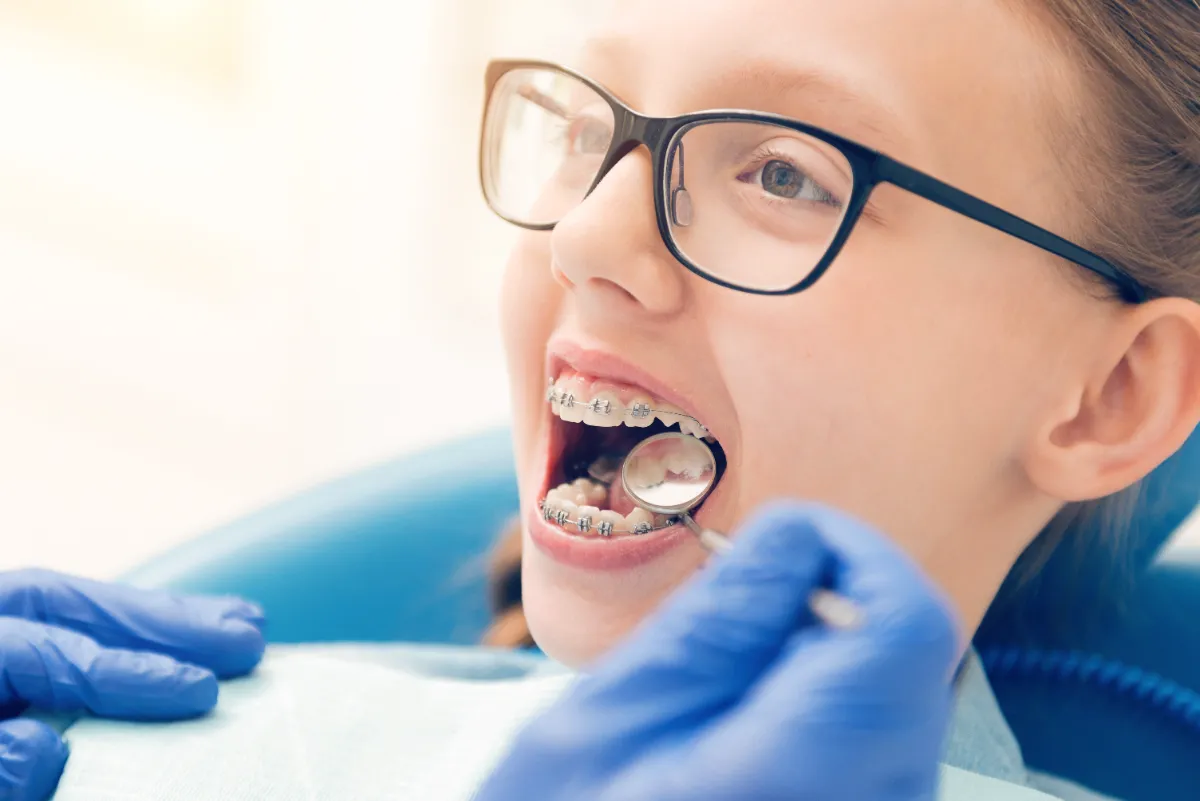
Treatment itself is much the same as for adults. The main difference is that children often struggle to cooperate — sitting still or opening their mouth — and this isn’t unusual.
We focus on friendly communication with these children so they gradually get used to seeing a dentist and can go through treatment smoothly. Even for children who are frightened of the dentist because of being forced through treatment before, we’ve heard feedback we value highly: “I can finally keep coming here” and “I can do this now.”
What sets our pediatric dental treatment apart
Play room (in our clinic)
Being able to keep coming in from an early age without it feeling like a burden means more and more children stop resisting the dentist. Some even say they want to come because the play room is fun — something parents bringing their children in for treatment often tell us they appreciate.
Extensive experience treating children
Our experienced staff treat many children every day. Beyond putting them at ease, they work hard to give children a sense of achievement, so they come away thinking “I want to come back!”
A small reward
Our front-desk staff tell children “well done” and give them a small reward. Parents, please praise your child too!
Glad they came to Hamille
Precisely because children are more sensitive than adults, we want them to feel glad they came here. Never forcing treatment, paying attention to how a child feels, explaining things thoroughly in a warm and careful way, and speaking with a cheerful tone — these may sound like basic things, but we never let up on them, aiming to be a clinic that even a child with a fear of dentists can keep coming back to.
Cost and insurance for pediatric dental treatment
Cost depends on the treatment, but is much the same as for adults. Cavity treatment and regular check-ups are covered by public health insurance, while orthodontic treatment and similar are paid out of pocket.
Depending on where you live, a child medical expense subsidy scheme may be available. If you hold a recipient certificate, your co-payment on insured treatment may be reduced or waived — please bring it with you. * Treatment outside insurance coverage is paid out of pocket.
Pediatric dentistry FAQ
Q1. When should we start brushing?
You can start brushing practice from around 6 months, when the first baby teeth come in. By the time your child is fully on regular food or the molars appear, they’ll need to brush properly, so build the habit gradually by getting them used to (1) having the inside of the mouth touched and (2) the toothbrush itself.
Q2. How many times a day should we brush?
Ideally, brushing after every meal, but that’s often hard to manage at first. Start with just brushing before bed, then build up to morning and evening once that’s settled, and finally work towards brushing after every meal. Before around age two and a half, there’s no need to worry if you can’t manage brushing after every meal even with some resistance — morning and evening is already good enough. Try brushing when your child is in a calm mood, or use a video to distract them, rather than forcing it.
Q3. What’s the right way to brush?
(1) Have your child lie down with their head resting on your lap. (2) Hold the toothbrush like a pen, and use the fingers of your other hand to gently part their lips. (3) Brush gently back and forth, and side to side, with the brush head.
Q4. Which spots are most prone to decay?
The spaces between teeth and the uneven surfaces of the molars are especially prone to decay, so brush them carefully.
Q5. Until when should we keep doing follow-up brushing?
Assuming your child brushes well enough on their own can leave spots missed that you’ll regret later. Please keep up follow-up brushing until they’re around 10.
Q6. What if my child resists brushing?
Most children resist brushing before around age two and a half. Building the habit of brushing after every meal matters, but it matters more to avoid scolding or forcing a child into hating it. Missing a few spots is hard to avoid entirely at this stage. Let your child pick a toothbrush with a favourite character, put stickers on it, play brushing videos, sing while brushing, explain why it matters, and praise them when they manage it — this builds the habit gradually.
Q7. Does too much breastfeeding cause tooth decay?
Frequency alone isn’t the cause — the risk comes from food residue or milk sitting in the mouth for long periods. If a child can’t fall asleep without breastfeeding, that risk goes up too, so it helps to keep them active during the day so they can fall asleep without it. If you’re concerned, fluoride treatment is also an effective way to prevent decay — please come and talk to us.
Q8. My child’s teeth have gaps — do they need orthodontic treatment?
Gaps between baby teeth as the jaw develops are normal. They can become quite noticeable from around age two and a half to five, but this space is needed to make room for the adult teeth coming in underneath, so orthodontic treatment isn’t required for this. Orthodontic treatment is needed when the jaw’s development means the adult teeth won’t settle into the right position on their own once they come in. If you’re concerned, please talk to us first.
Q9. I’ve heard about treatment to remove the nerve — will it affect the adult tooth?
Baby teeth and adult teeth are entirely separate teeth, so the effect is minimal, and we carry out nerve removal when it’s needed. Once decay-causing bacteria reach the nerve, they can cause sharp, throbbing pain and even swelling, so removing the nerve is necessary to clear the infection completely.
Q10. Baby teeth fall out anyway — does it matter if they decay?
Even in a baby tooth, decay reaching the nerve causes severe pain, and depending on the case can mean the tooth has to be extracted. Baby teeth do the same job of chewing as adult teeth. Chewing supports brain activity and jaw development, matters for how the teeth and face take shape, and is essential for getting the nutrition growth requires. Once decay stops a tooth doing that job, it can lead to crooked teeth, discoloured adult teeth, and even adult teeth that form incompletely and come in with pits or defects — and it sharply raises the risk of decay in the adult tooth as soon as it comes in. So it really is best not to let baby teeth decay.
Booking and enquiries
