


Periodontal treatment
See all treatments
Periodontal treatment
Hamille Tokyo Dental Office
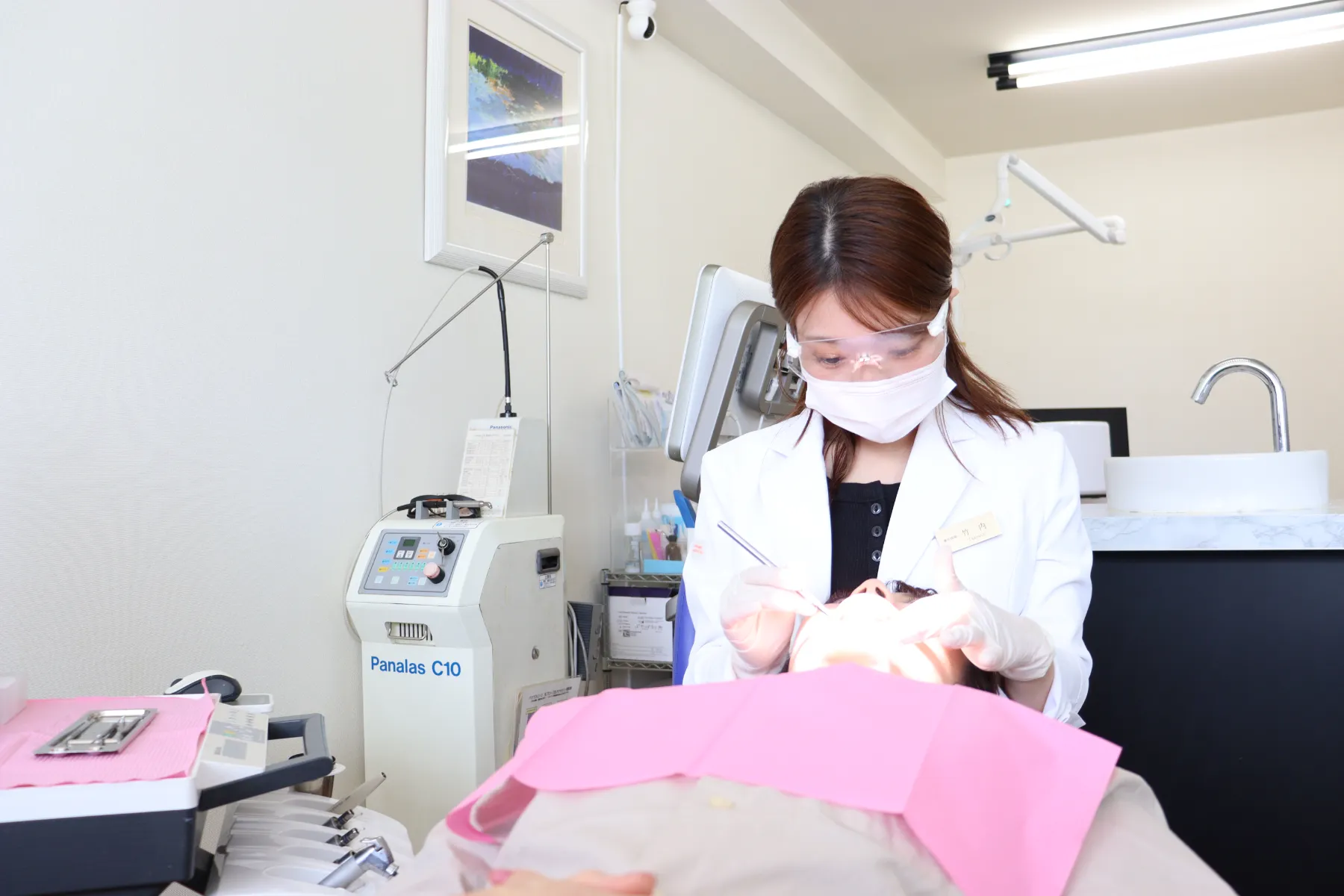
Gum disease (periodontal disease) is a bacterial infection in which bacteria in plaque inflame the gums and gradually destroy the tissue around your teeth. It causes little pain or other obvious symptoms, so it can get much worse without you noticing. This is why gum disease is sometimes called “the silent disease of the mouth”.
Among people aged 15 and over, about 76.8% have periodontal disease — more than 85 million people. In other words, on average, 3 in every 4 people have it.
Self-check for periodontal disease
If 3 of the following apply to you, do not take it lightly!! Look after your teeth yourself and visit a dental clinic to prevent it.
If 6 of the following apply, periodontal disease may already be developing — we recommend visiting a dental clinic for treatment.
If all of the following apply, this may already be severe periodontal disease. Please visit a dental clinic as soon as possible.
- Your mouth feels sticky when you wake up in the morning.
- Your gums bleed when you brush.
- You are bothered by bad breath.
- Your gums itch or hurt, and are red and swollen.
- It is hard to bite into hard food.
- Your teeth feel like they have got longer.
- Your front teeth stick out, or gaps have appeared between your teeth.
- Food easily gets stuck between your teeth.
Could periodontal disease cause you to lose your teeth?
Gum disease (periodontal disease) is a bacterial infection in which bacteria in plaque inflame the gums and gradually destroy the tissue around your teeth. It causes little pain or other obvious symptoms, so it can get much worse without you noticing. This is why gum disease is sometimes called “the silent disease of the mouth”.
Among people aged 15 and over, about 76.8% have gum disease — more than 85 million people. In other words, on average, 3 in every 4 people have it.
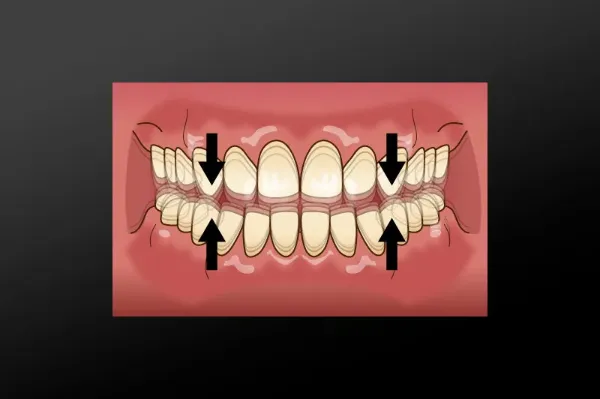
Factors that make periodontal disease worse
Teeth grinding, clenching and bite problems
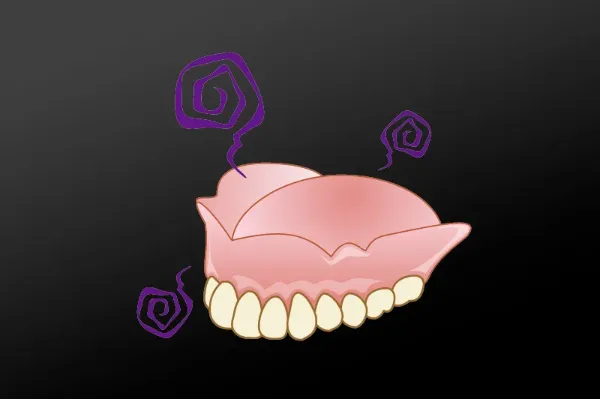
Ill-fitting crowns or dentures
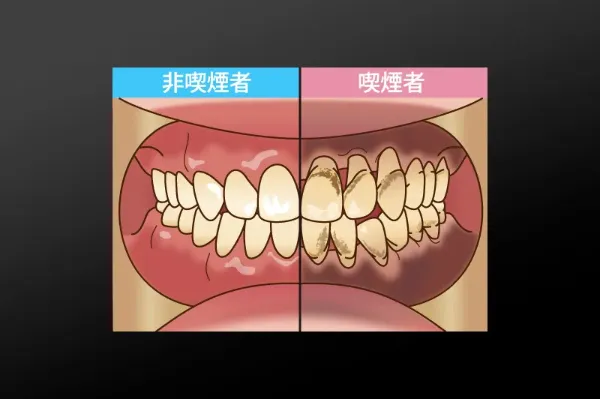
Lifestyle (smoking, irregular eating habits, etc.)
Stress

Systemic conditions (diabetes, osteoporosis, etc.)

Long-term medication use

How periodontal disease progresses
Mild
Periodontal pocket depth 3–5mm
Gums swell and bleed
The alveolar bone and periodontal ligament begin to break down
Moderate
Periodontal pocket depth 5–7mm
Teeth become loose
The alveolar bone is severely damaged
Bleeding and pus discharge
Severe
Periodontal pocket depth 7mm or more
The tooth roots become exposed
The alveolar bone is almost completely destroyed
Gums become painful and change shape
Practical prevention measures
Everyday care
Try to reduce the bacteria that cause periodontal disease. Regular cleaning at a dental clinic is effective in preventing it.
Improving your lifestyle habits
Cut back on snacking, chew slowly, avoid smoking, and brush thoroughly after every meal.
Brushing correctly
There are many ways to brush your teeth, so ask our dental hygienist for the correct brushing technique. Alongside your toothbrush, use aids such as interdental brushes and floss to avoid missing any spots.
Periodontal treatment process
Examination
We check X-rays, periodontal pocket depth, tooth mobility, plaque levels and whether there is any bleeding.
Basic periodontal treatment
This includes plaque control, scaling and root planing (SRP), bite adjustment, and redoing substandard restorations.
Periodontal surgery
If basic treatment alone does not bring improvement, we carry out surgery to help the periodontal tissue recover.
Reassessment
We examine you again to see how much things have improved since the first examination.
Maintenance
Once your symptoms have improved, you move into the maintenance stage, to keep preventing periodontal disease going forward.
Book an appointment or get in touch
